
Sharpening Oil
Categories
Brands
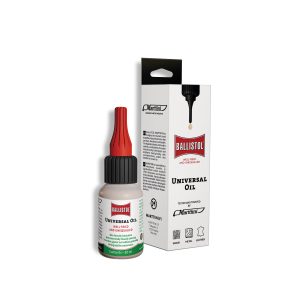
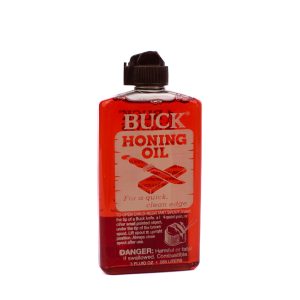
What is Sharpening Oil?
Sharpening oil is a thin oil used with certain sharpening stones and systems to make sharpening more controlled and clean. Oil typically functions as a lubricant and a ‘carrier’: it can reduce friction, help remove sharpening dust and metal particles from the sharpening surface, and contribute to more even contact between the knife and abrasive. For many, the result is a more pleasant sharpening experience and a sharpening surface that does not clog as quickly.
The most important point is that sharpening oil is not ‘universal’ for all sharpening stones. Some stones are made for oil (classic oilstones), while many waterstones are made for water. Therefore, correct use primarily involves matching the liquid to the stone and avoiding mixing methods.
• Reduces friction and can provide more even sharpening
• Helps keep the sharpening surface clean of sharpening dust/metal
• Must be matched to the stone’s type (oil vs. water)
Sharpening oil makes sharpening more controlled and clean on whetstones designed for oil.
Should one use sharpening oil, or can one sharpen without it?
On oilstones, oil is typically part of the method because it helps the stone work smoothly and prevents it from clogging. On waterstones, water is typically used instead. Some systems allow for ‘dry’ sharpening, but this often increases friction and the risk of the sharpening surface clogging more quickly. The best choice is to follow the method for which the stone or system was designed.
• Oilstones = typically oil
• Waterstones = typically water
• Dry sharpening can increase friction and clogging
• Match the liquid to the abrasive
Use sharpening oil when the abrasive is designed for oil; otherwise, use water or a dry method according to the manufacturer’s recommendation.
Can I use regular oil instead of sharpening oil?
This is a frequent question because many people have cooking oil readily available. The problem is that regular oils are often too thick, can go rancid over time, and can make the stone stickier and difficult to clean. Sharpening oil is typically formulated to be thin and stable, so it flows well and binds sharpening dust without becoming sticky.
Regular oil can cause problems with clogging and cleaning; sharpening oil is usually the more stable and controlled choice.
In short:
• Cooking oils can be too thick and sticky
• Risk of rancidity and odor over time
• Sharpening oil is typically thinner and more stable
• Less clogging and easier cleaning
Regular oil can cause problems with clogging and cleaning; sharpening oil is usually the more stable and controlled choice.
How much sharpening oil should one use?
Less is almost always better.
You typically only need a thin film on the sharpening surface—enough for the stone to feel ‘wet’ and sharpen evenly, but not so much that the oil pools.
Too much oil can make sharpening ‘slippery’ in a way that causes you to lose feedback and results in less effective sharpening.
What does sharpening oil do for sharpening—does it make the knife sharper?
Sharpening oil alone does not automatically make the knife sharper. It aids the process: less friction, more even sharpening, and less clogging can make it easier to maintain a stable technique. This can indirectly lead to a better result because you gain more control and consistency. However, sharpness still comes from correct angle, pressure, and a good finish to the edge.
• Oil aids in even sharpening and less clogging
• Can make it easier to sharpen consistently
• Sharpness depends on angle, pressure, and finish
• Oil is an aid, not a shortcut
Sharpening oil improves the process and control; sharpness still comes from technique and sharpening.
How does one clean a whetstone after using sharpening oil?
After sharpening, a mixture of oil and sharpening dust will typically remain on the stone. This is usually removed by wiping it off and then gently cleaning the stone to prevent the sharpening surface from clogging. How thoroughly you need to clean depends on the stone’s type and how saturated it has become. The goal is to get the sharpening surface clean so it sharpens evenly next time.
Adhere to this:
• Remove oil and sharpening dust after use
• Keep the sharpening surface clean for consistent sharpening
• Clean gently so you do not damage the stone’s surface
• Regular cleaning provides more stable performance
Cleaning involves removing oil/black sharpening paste from the surface so the stone does not clog.
When does sharpening oil make the most sense?
Sharpening oil makes the most sense when you are using a sharpening stone designed for oil, or when you desire a more ‘calm’ sharpening experience with less friction.
If you already use waterstones and are satisfied with the process, oil is not something you ‘must’ have—rather, it is a choice that primarily depends on your sharpening system and preference.
Sharpening oil is relevant when your abrasive is made for oil and when you desire a more controlled and clean sharpening process.